

| Contact Us |
| Name:colin |
| Email:colin@xhhjtech.com |
| T e l:+86 18602602237 |
How to Select Powder Feeding Equipment? Avoid These Common Pitfalls for Hassle-Free Operation
Many manufacturers only judge feeding equipment by its basic feeding functionality when purchasing, overlooking material characteristics, production capacity matching and maintenance costs. This leads to frequent malfunctions after equipment commissioning. Master these key criteria to pick the right feeding equipment and avoid unnecessary trouble.
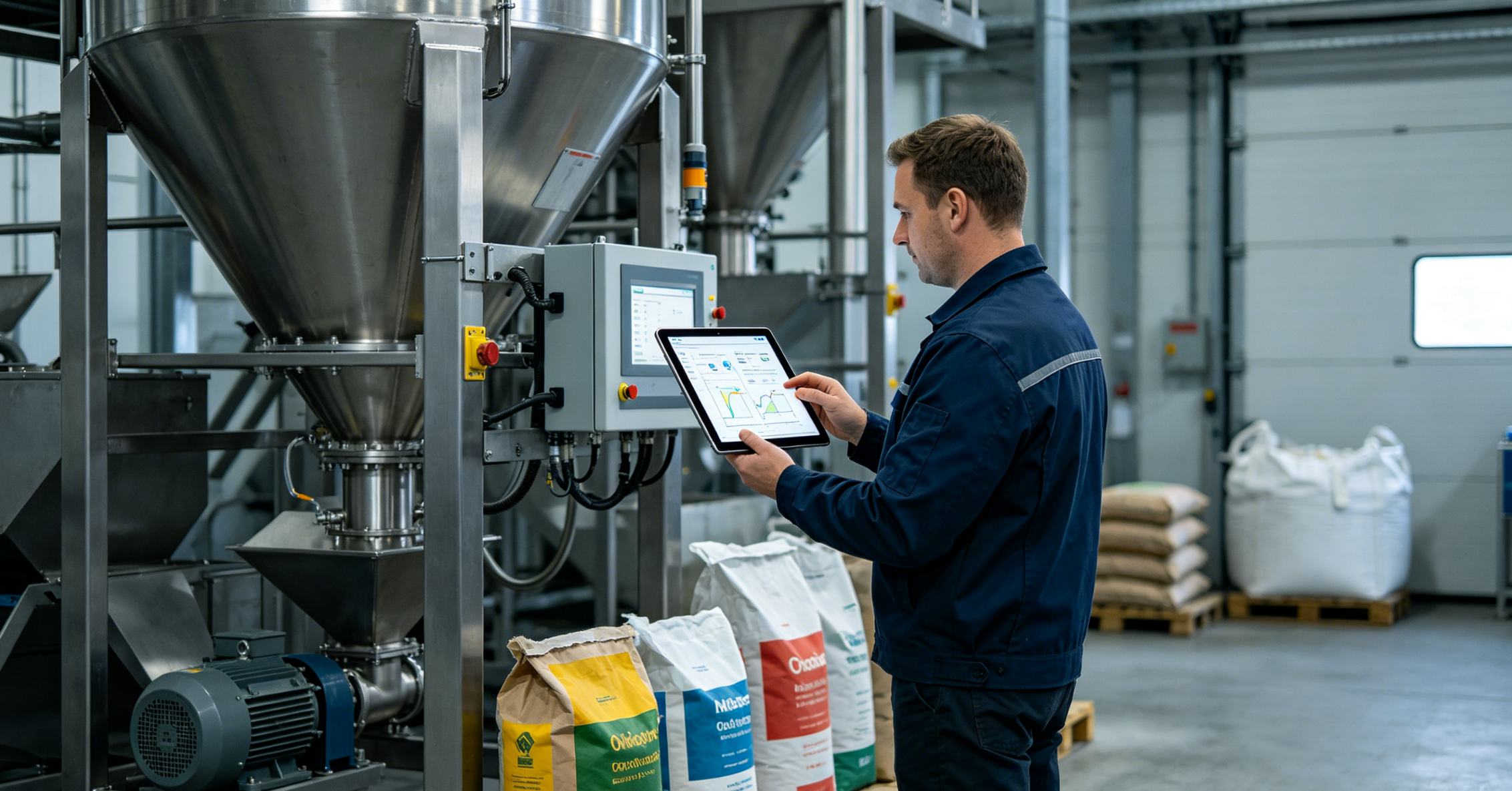
First and foremost, material properties serve as the primary selection standard. For poorly flowing, easily agglomerated powders such as kaolin and modified starch, prioritize dust-free feeding stations fitted with auxiliary vibratory discharge mechanisms to prevent bridging and blockages inside the hopper. When processing flammable, explosive metal powders or chemical powders, explosion-proof equipment is mandatory. Every component including motors, filter cartridges and static grounding must comply with explosion-proof standards to eliminate safety risks. For pharmaceutical and food-grade raw materials, material construction is critical. Opt for 304 or 316L stainless steel models with mirror-polished inner surfaces free of sanitary dead corners, enabling easy cleaning and disinfection to prevent cross-contamination from residual materials.
Second, match the equipment to your production capacity and feeding format. For small-batch, multi-variety production relying on 25kg small bag feeding, bench-top or mobile compact dust-free feeding stations offer outstanding flexibility. For high-volume continuous production with ton bag feeding requirements, ton bag feeding stations equipped with unloading frames and lifting devices are required to handle heavy bulk materials. Be sure to verify the height and interface specifications of your downstream equipment in advance, to match the delivery lift and connection configuration of the feeding unit and eliminate on-site installation incompatibility.
Lastly, ease of routine maintenance cannot be overlooked. Declining dust removal performance in many machines stems from overly complicated filter replacement and cleaning procedures that operators fail to perform consistently. Choose equipment with quick-release filter cartridge designs and built-in pulse backblowing or vibratory filter cleaning systems to drastically cut maintenance workload. Additionally, routinely inspect wear on sealing components, especially the rubber gaskets of feeding hatches. Aged or damaged seals cause dust leakage, and timely replacement maintains stable equipment operation.


